
Best Budget Indoor Trainers For Structured Workouts
A practical buyer guide to five budget direct-drive smart trainers for ERG workouts, power accuracy, setup friction, and MINI WATT.
Published
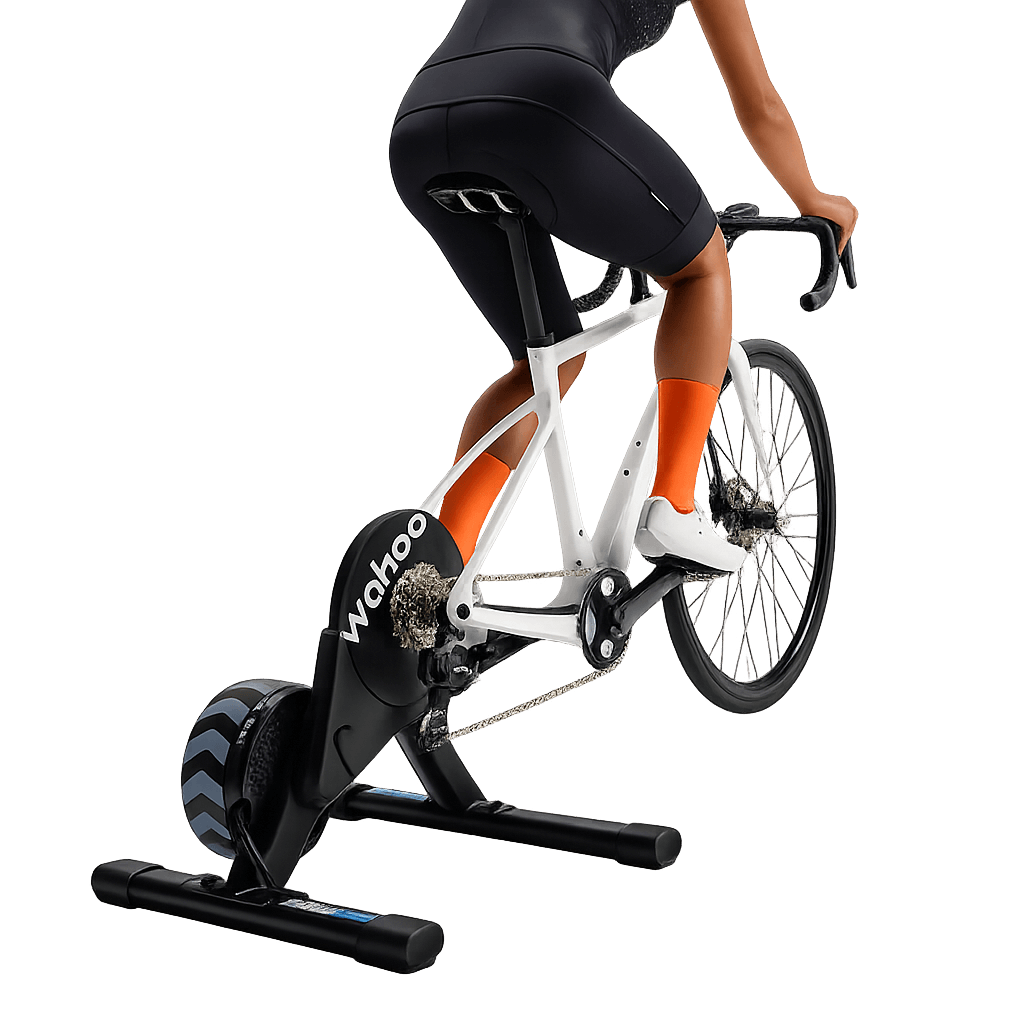
Buying a budget smart trainer is harder than it should be. The spec sheet says power, gradient, accuracy, Wi-Fi, Bluetooth, ANT+, Zwift Cog, ERG mode, and compatibility. The ride still comes down to one question: will this trainer hold the target power when a workout gets hard?
For structured workouts, that matters more than a huge virtual world. MINI WATT works with Bluetooth FTMS smart trainers, so the right budget trainer can give you proper ERG workouts, clear targets, and a setup that gets out of the way.
Best budget smart trainer for structured workouts
Start with the JetBlack Victory if it is in stock in your region. It has the clearest value mix for structured training: enough maximum power for almost every rider, ±2 percent claimed accuracy, 16 percent simulated gradient, and modern connectivity.
Pick the Van Rysel D100 only if price is the main constraint. It is direct drive and can run controlled workouts, but the official page lists 600 W maximum resistance and ±5 percent accuracy. That can be fine for steady endurance, sweet spot, and threshold work for many newer riders. It is less convincing for sprinty workouts, racing, low-cadence torque work, or riders who already know they can push above 600 W.
Pick the Van Rysel D500 if you want a Decathlon option with more workout headroom. The UK page lists it at £399.99, which fits the "under 400" logic from the TikTok ranking. The current US Van Rysel page lists it at $499, so do not treat it as under $400 in the US.
Pick the CYCPLUS R200 if you are comfortable buying into a newer trainer ecosystem and want strong specs for the money. The official page lists it at $399, and the manual lists 2200 W, ±1 percent accuracy, BLE FTMS, and ANT+ FE-C.
Pick the Wahoo KICKR CORE 2 if you would rather pay more for a trainer that feels like a longer-term purchase. It is not the best budget price in this group, but it has strong specs, broad connectivity, and the safer support story.
Budget trainer comparison
| Trainer | Current price and availability checked | Max power and accuracy | Connectivity | Best fit for structured workouts | Watch out for |
|---|---|---|---|---|---|
| Van Rysel D100 | $299 and in stock on Van Rysel US, checked 2026-05-19 | 600 W, ±5 percent, 6 percent gradient | Bluetooth FTMS | Cheapest direct-drive entry for basic ERG workouts | Low power ceiling, lower stated accuracy, add a cadence sensor for full tracking |
| JetBlack Victory | $399 ex tax on JetBlack US/global page, but page also showed waitlist and pre-order language | 1800 W, ±2 percent, 16 percent gradient | Wi-Fi, Bluetooth FTMS, ANT+ FE-C, Zwift Protocol, USB-ready | Top value when available, strong enough for serious intervals | Stock can be the blocker, and Zwift virtual shifting is not the same as normal cassette use in every app |
| Van Rysel D500 | £399.99 UK RRP, $499 and in stock on Van Rysel US, checked 2026-05-19 | 1500 W, <2.5 percent, 15 percent gradient | Bluetooth, ANT+, interactive | Best Decathlon mid-step where local pricing is under 400 | Not currently under $400 on the US page |
| CYCPLUS R200 | $399 on CYCPLUS direct page, buy button visible | 2200 W, ±1 percent, up to 19 percent gradient | BLE 5.0, BLE FTMS, ANT+, ANT+ FE-C | Strongest on-paper specs for the money | Newer ecosystem, cassette and freehub details need checking before purchase |
| Wahoo KICKR CORE 2 | $549.99 on Zwift US, €549.99 on Wahoo EU comparison page | 1800 W, ±2 percent, 16 percent gradient | Bluetooth, ANT+, Wi-Fi | Long-term quality pick with broad app support | Costs more than the other budget options here |
- Trainer
- Van Rysel D100
- Current price and availability checked
- $299 and in stock on Van Rysel US, checked 2026-05-19
- Max power and accuracy
- 600 W, ±5 percent, 6 percent gradient
- Connectivity
- Bluetooth FTMS
- Best fit for structured workouts
- Cheapest direct-drive entry for basic ERG workouts
- Watch out for
- Low power ceiling, lower stated accuracy, add a cadence sensor for full tracking
- Trainer
- JetBlack Victory
- Current price and availability checked
- $399 ex tax on JetBlack US/global page, but page also showed waitlist and pre-order language
- Max power and accuracy
- 1800 W, ±2 percent, 16 percent gradient
- Connectivity
- Wi-Fi, Bluetooth FTMS, ANT+ FE-C, Zwift Protocol, USB-ready
- Best fit for structured workouts
- Top value when available, strong enough for serious intervals
- Watch out for
- Stock can be the blocker, and Zwift virtual shifting is not the same as normal cassette use in every app
- Trainer
- Van Rysel D500
- Current price and availability checked
- £399.99 UK RRP, $499 and in stock on Van Rysel US, checked 2026-05-19
- Max power and accuracy
- 1500 W, <2.5 percent, 15 percent gradient
- Connectivity
- Bluetooth, ANT+, interactive
- Best fit for structured workouts
- Best Decathlon mid-step where local pricing is under 400
- Watch out for
- Not currently under $400 on the US page
- Trainer
- CYCPLUS R200
- Current price and availability checked
- $399 on CYCPLUS direct page, buy button visible
- Max power and accuracy
- 2200 W, ±1 percent, up to 19 percent gradient
- Connectivity
- BLE 5.0, BLE FTMS, ANT+, ANT+ FE-C
- Best fit for structured workouts
- Strongest on-paper specs for the money
- Watch out for
- Newer ecosystem, cassette and freehub details need checking before purchase
- Trainer
- Wahoo KICKR CORE 2
- Current price and availability checked
- $549.99 on Zwift US, €549.99 on Wahoo EU comparison page
- Max power and accuracy
- 1800 W, ±2 percent, 16 percent gradient
- Connectivity
- Bluetooth, ANT+, Wi-Fi
- Best fit for structured workouts
- Long-term quality pick with broad app support
- Watch out for
- Costs more than the other budget options here
How to choose for ERG mode
ERG mode is simple on paper. The app tells the trainer to hold a target, such as 220 W for five minutes. The trainer changes resistance so you can keep pedaling without chasing the number every few seconds.
The trainer has to do that cleanly. If it overreacts, underreacts, drops connection, or reports power far away from your normal numbers, the workout feels messy. That is why the cheapest trainer is not always the best workout trainer.
For MINI WATT, the key is Bluetooth FTMS support. MINI WATT uses Bluetooth trainer control, so you want a trainer that can act as a controllable smart trainer, not just a power source. Bluetooth FTMS is the cleanest starting point.
Maximum power matters less than riders think, until it suddenly matters. A 600 W trainer can handle many steady workouts. It can also become a limit for sprints, short VO2max spikes, heavier riders, strong riders, and low-cadence efforts where torque demand rises.
Accuracy matters because your zones depend on power. ±5 percent can be acceptable for a first setup if you train consistently on the same trainer. ±1 to ±2.5 percent is better if you care about comparing indoor and outdoor numbers or pacing workouts close to threshold.
The MINI WATT setup angle
MINI WATT does not need a giant virtual world to make a smart trainer useful. You connect a Bluetooth FTMS trainer, pick a structured workout, and let ERG mode hold the targets.
That makes budget trainers more interesting. A good direct-drive trainer plus a focused workout app can be enough for proper interval work. The screen does not have to become the main event.
The main setup warning is Zwift Cog and Click. It is convenient for Zwift because virtual shifting is built around that system. For MINI WATT and other non-Zwift apps, check whether you should remove the Cog and fit a normal cassette, or whether your planned setup works without relying on Zwift-only virtual shifting.
Action plan: Choose and test a trainer in 5 steps
- 1
Price the full setup: Include tax, shipping, cassette, freehub, mat, and axle adapters.
- 2
Confirm compatibility: Check Bluetooth FTMS, axle fit, drivetrain speed, cassette, and freehub before ordering.
- 3
Buy for real workouts: Choose the lowest trainer that covers your actual intervals, not your fantasy sprint number.
- 4
Update before judging: Install the trainer app and update firmware before the first serious ride.
- 5
Test hard once: Ride one easy setup spin and one hard interval workout to check ERG response.
Common mistakes
Buying only by price
The cheapest trainer can cost more time if it misses the power, accuracy, or setup you need.
Ignoring local availability
A trainer that is excellent on paper is not useful if you cannot actually buy it.
Treating Zwift Cog as universal
Virtual shifting is mainly a Zwift feature, so non-Zwift setups need extra checking.
Forgetting the cassette
Some trainers arrive without the cassette you need for normal app use.
Overvaluing maximum watts
A huge max power number is less important than stable ERG behavior at your workout targets.
Undervaluing accuracy
If power is your training language, poor accuracy can make zones feel wrong.
Skipping firmware updates
Many trainer problems start with old firmware or a half-finished setup.
Testing only an easy ride
ERG problems often show up when intervals change quickly or cadence drops.
When MINI WATT fits
MINI WATT fits if you want structured ERG workouts, a clean desktop setup, and trainer control without turning every ride into a virtual world. It is especially useful when you already know the workout you want to do and you just need the trainer to hold the target.
It also fits budget trainer buyers because it is built around standard Bluetooth trainer control. A trainer does not need to be part of a closed hardware system to be useful. It needs to pair cleanly, accept ERG targets, and report the data you need.
When MINI WATT is not the right fit
MINI WATT is not the right fit if your main reason for buying a trainer is a social world, group rides, avatar racing, or Zwift-only virtual shifting.
It is also not the right fit if your trainer setup depends on ANT+ only. MINI WATT is built around Bluetooth smart trainer support, so check the trainer's Bluetooth FTMS support before you buy.
FAQ
What is the best budget indoor trainer for structured workouts?
The JetBlack Victory is the best value pick in this group if it is available in your region. It combines a $399 ex-tax listed price with 1800 W, ±2 percent accuracy, 16 percent simulated gradient, and modern connectivity.
What is the cheapest direct-drive trainer in this list?
The Van Rysel D100 is the cheapest current option checked here. The US Van Rysel page listed it at $299 and in stock on 2026-05-19.
Is the Van Rysel D100 good enough for ERG workouts?
Yes, for many basic workouts. It is best for newer riders, endurance rides, sweet spot, and steady threshold work. Its 600 W limit and ±5 percent accuracy make it less suitable for stronger riders, short spikes, and riders who want tighter power data.
Is the Van Rysel D500 really under 400?
It depends on the market and currency. The UK Van Rysel page listed it at £399.99 on 2026-05-19. The US Van Rysel page listed it at $499, so it is not currently under $400 in the US.
Why is the JetBlack Victory the value pick?
It has the strongest mix of price, power, accuracy, gradient, and connectivity among the more established options in this list. The catch is availability, because the official page also showed waitlist and pre-order language when checked.
Is the CYCPLUS R200 better than the JetBlack Victory?
On paper, the R200 has stronger headline specs: 2200 W and ±1 percent accuracy. The Victory has a clearer place in the trainer market and stronger visible support signals. Choose the R200 if you are comfortable with the newer ecosystem and have checked cassette, freehub, and return details.
Why would I pay more for the Wahoo KICKR CORE 2?
Pay more if you value the Wahoo ecosystem, broad connectivity, easy resale, and a trainer that feels like a longer-term purchase. It is not the cheapest trainer here, but it is the safer buy for many riders.
Do I need Wi-Fi on a smart trainer?
No. Wi-Fi can help with pairing, firmware updates, and connection stability on trainers that support it, but Bluetooth FTMS is the key requirement for MINI WATT.
Does MINI WATT work with Zwift Cog and Click?
MINI WATT works with Bluetooth FTMS smart trainers, but Zwift Cog and Click virtual shifting is built for Zwift. If your trainer comes with Cog and Click, check whether you should fit a normal cassette for MINI WATT or whether your setup works for your riding mode.
What should I test during the return window?
Test firmware updates, bike fit, cassette or Cog setup, Bluetooth FTMS pairing, ERG response, power stability, cadence data, noise, heat, and one hard workout with fast target changes.
Sources
- Van Rysel D100 Smart Trainer with Zwift Cog and Click, accessed 2026-05-19
- Van Rysel D500 connected home trainer, accessed 2026-05-19
- Van Rysel D500 Smart Trainer with Zwift Cog and Click, accessed 2026-05-19
- JetBlack VICTORY Smart Trainer with Zwift Cog and Click, accessed 2026-05-19
- JetBlack VICTORY technical specifications, accessed 2026-05-19
- CYCPLUS R200 Smart Trainer, accessed 2026-05-19
- CYCPLUS R200 Smart Bike Trainer user manual, accessed 2026-05-19
- Wahoo KICKR CORE 2 with Zwift Cog and Click, accessed 2026-05-19
- Wahoo KICKR bike trainer comparison, accessed 2026-05-19
- MINI WATT workouts, accessed 2026-05-19
- MINI WATT download, accessed 2026-05-19